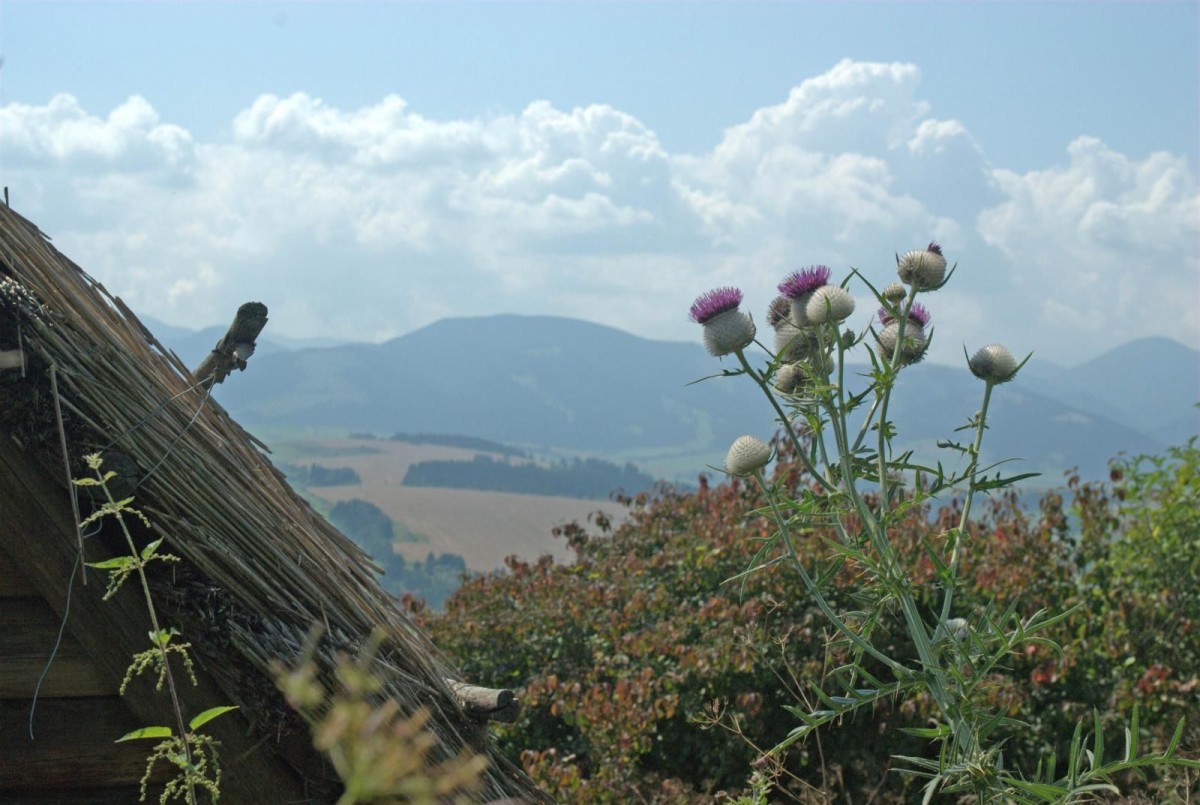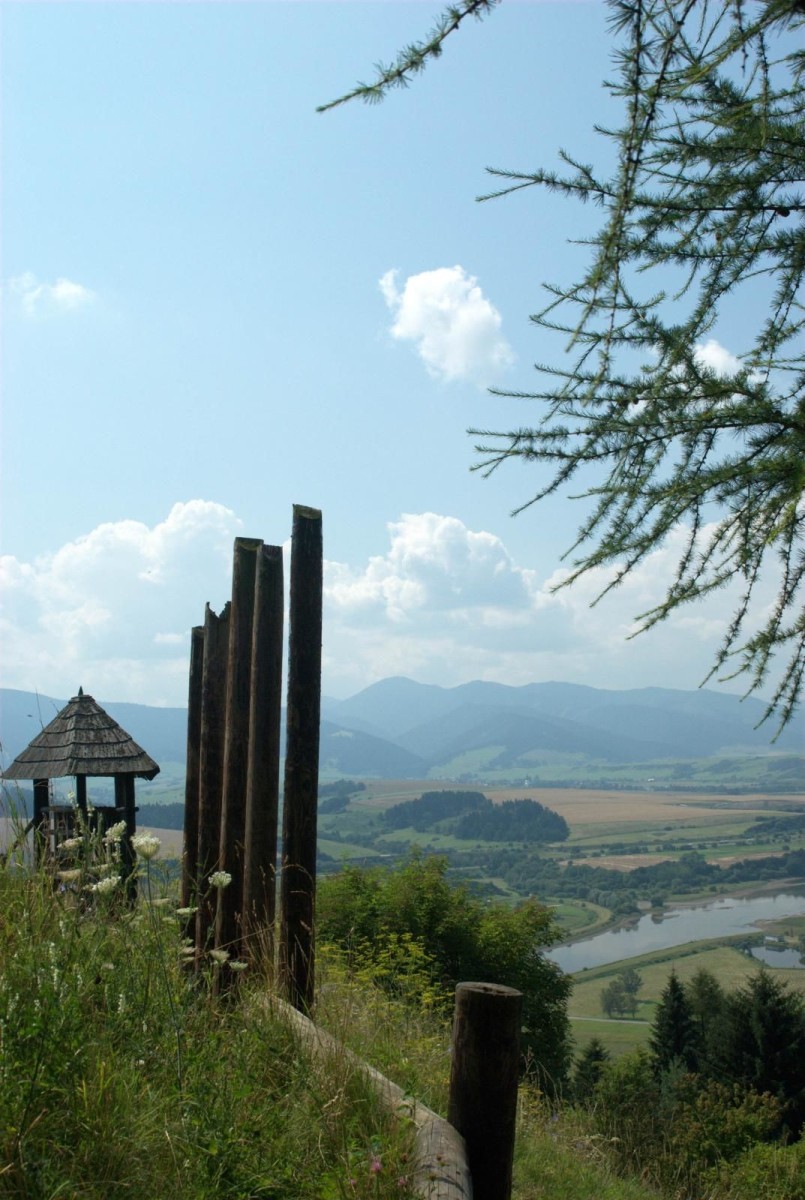

The Havránok Archaeological Open-Air Museum is one of the most significant archaeological sites in the Liptov region.
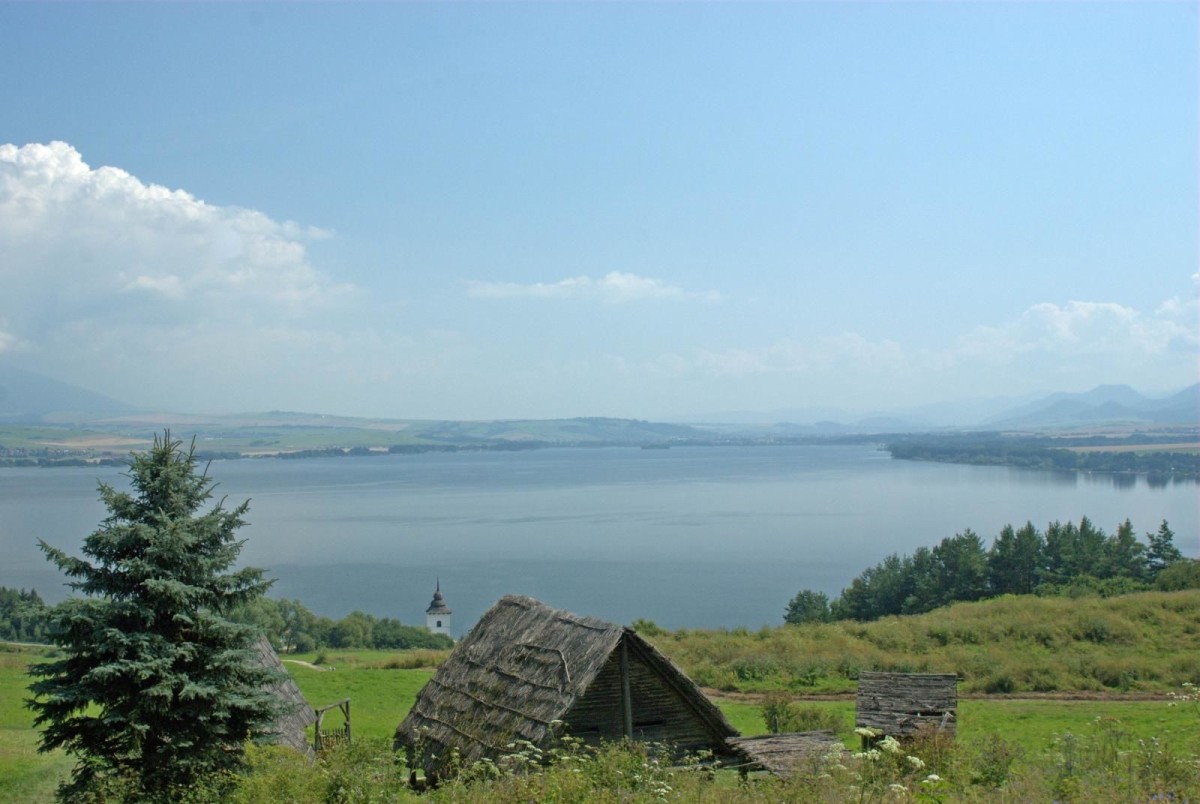
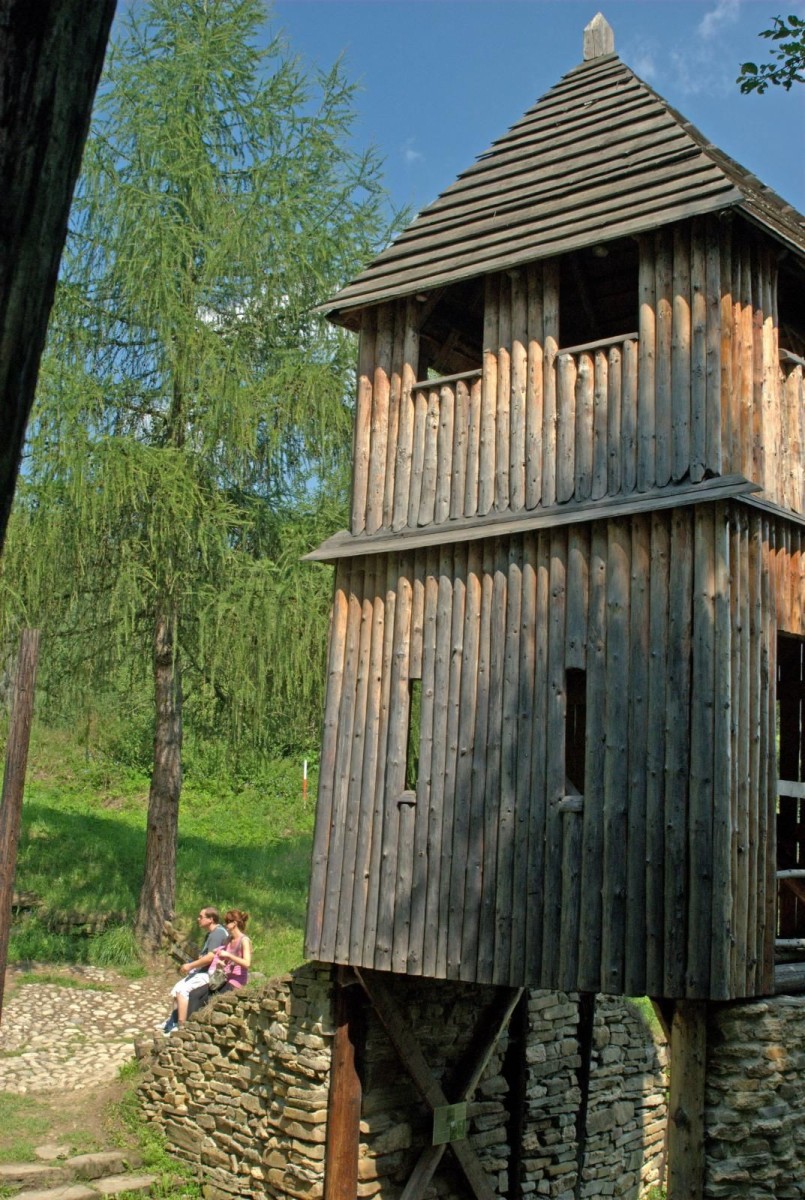
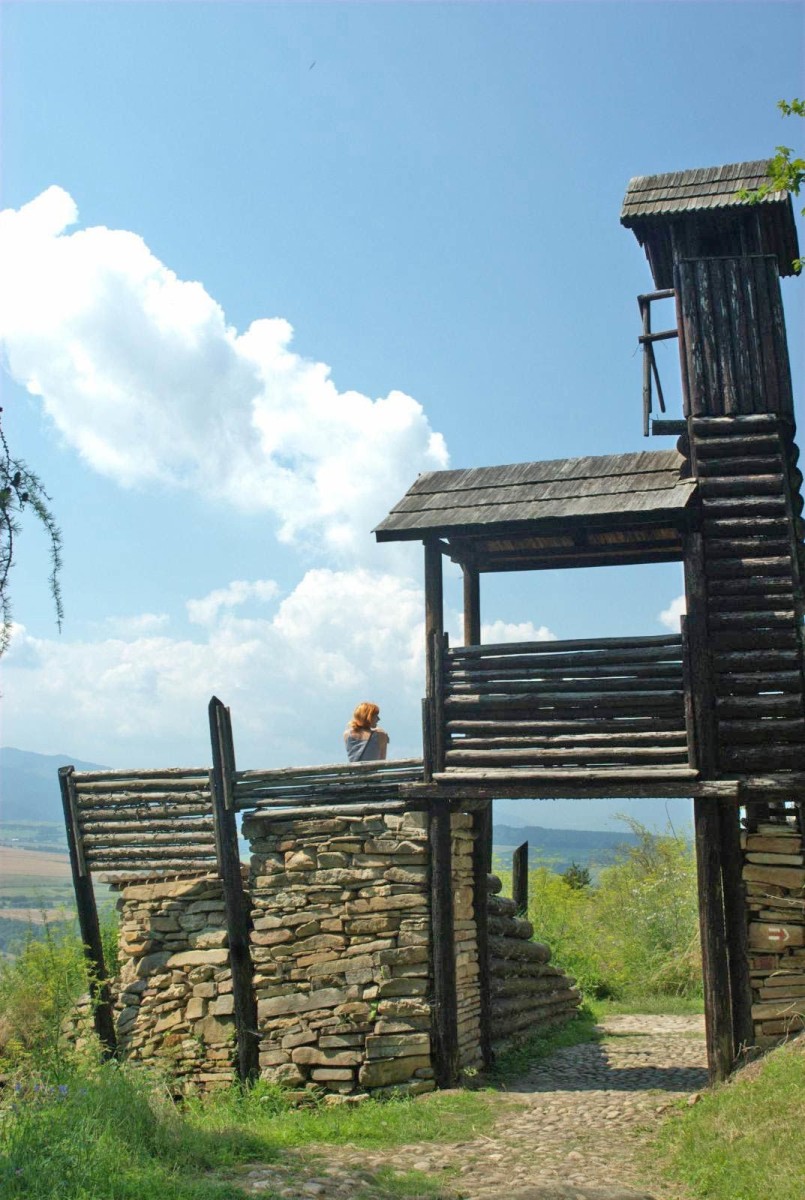
It was declared a national cultural monument in 1967 and opened to the public in 1991. The museum features a permanent exhibition of reconstructed objects from the Late Iron Age – the La Tène period. Visitors can see dwellings, a pottery kiln, a sacrificial site with an offering pit, and a complex of ramparts with an entrance gate. The medieval era is represented by a wooden fortification with a bridge, ramparts, a watchtower, and the foundations of 15th-century buildings.
During the main tourist season, themed events are organized for visitor groups, bringing Celtic rituals to life and showcasing scenes from everyday Celtic life, pottery making, and leather crafting. In the medieval section, visitors can also enjoy thrilling reenactments of sword-fighting duels.
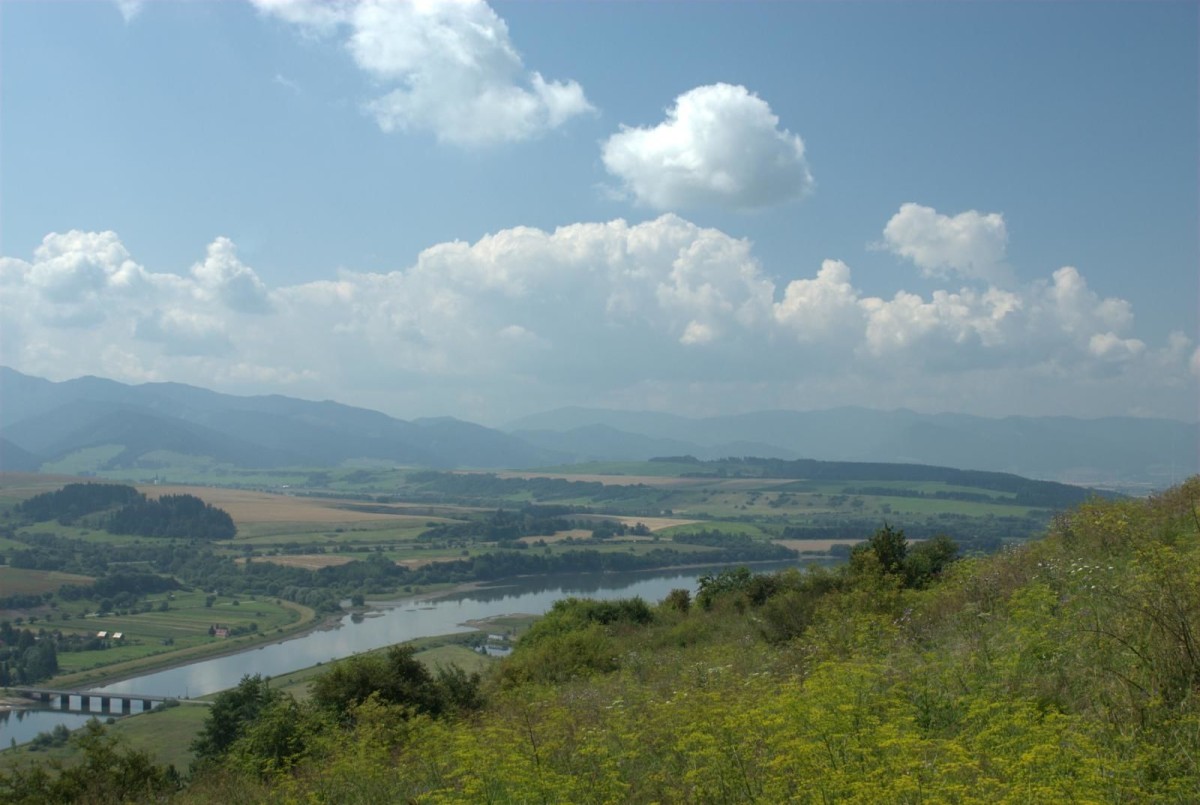
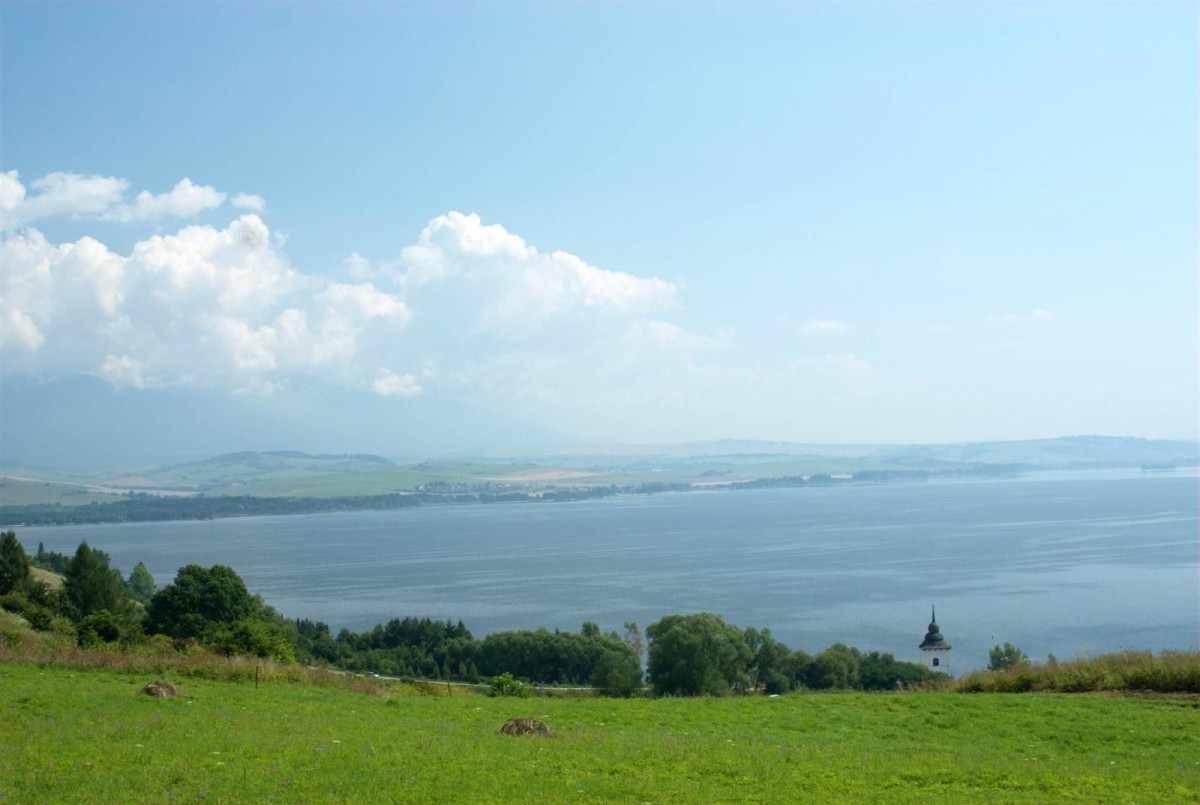
Archaeological research at this site began in the mid-1960s in connection with the construction of the Liptovská Mara reservoir. The museum was established to preserve the results of years of research and to make them accessible to the public.
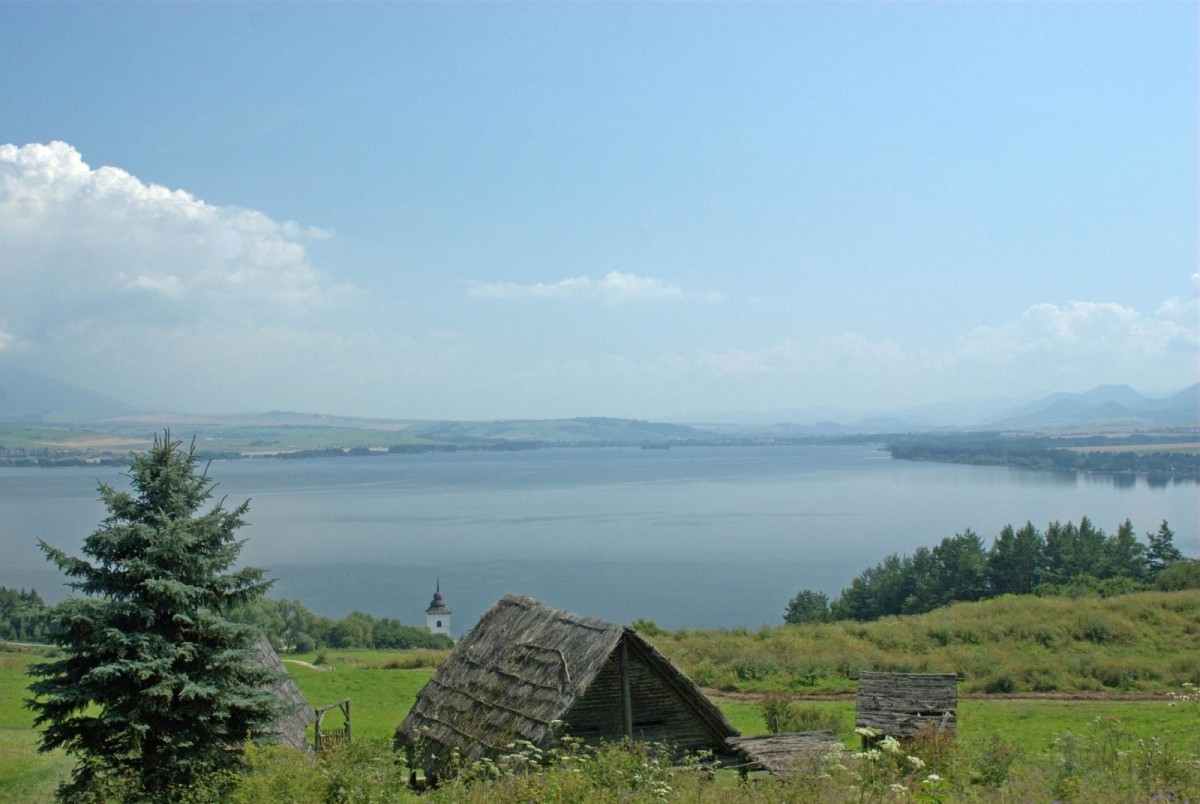
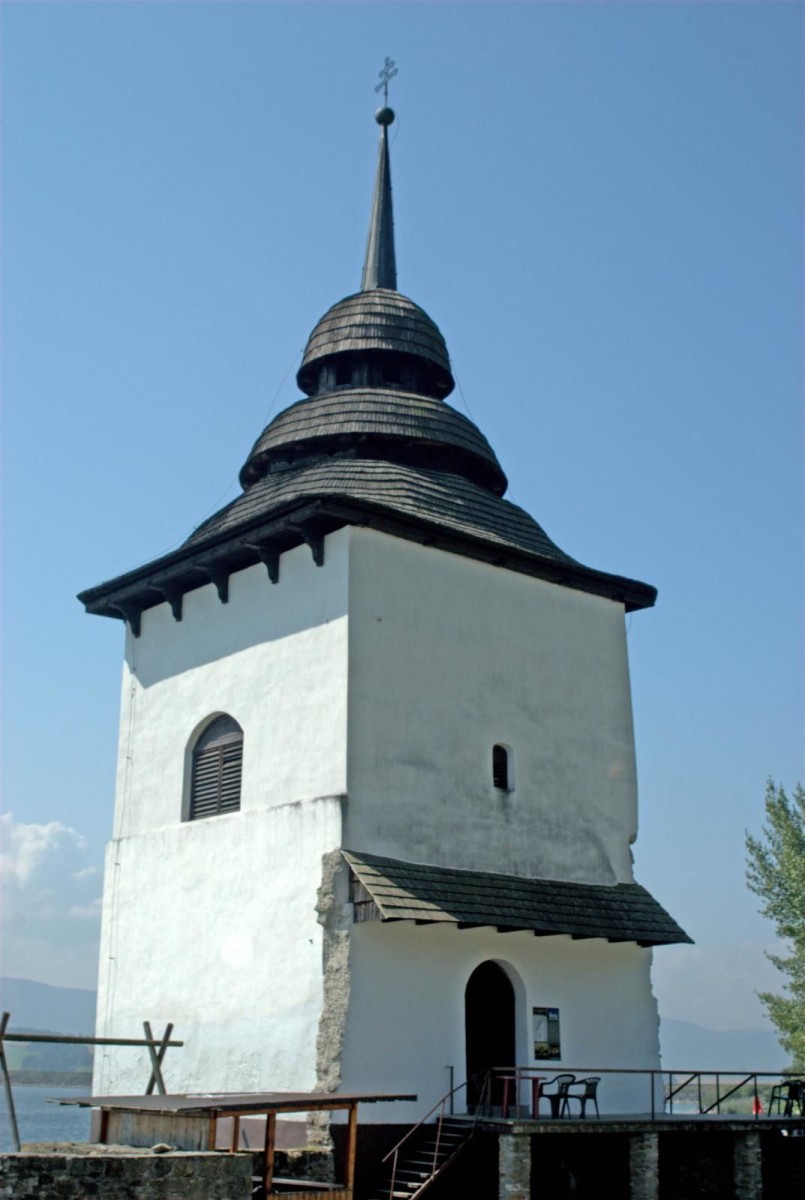
In the 9th century, during the Great Moravian period, the first Slavic settlement was founded in Liptovská Mara, followed by the creation of a parish with a church dating back to the 12th century. The Church of the Virgin Mary was dismantled before the reservoir was filled and later reconstructed in the Museum of the Liptov Village in Pribylina. Visitors to Liptovská Mara can see the original church tower, which now houses an exhibition, as well as the reconstructed hillfort at Havránok. The road from Liptovský Trnovec passes by Liptovská Mara and leads toward Hliník and Bobrovník.
The museum is open daily from May to September, from 9:00 a.m. to 6:00 p.m.